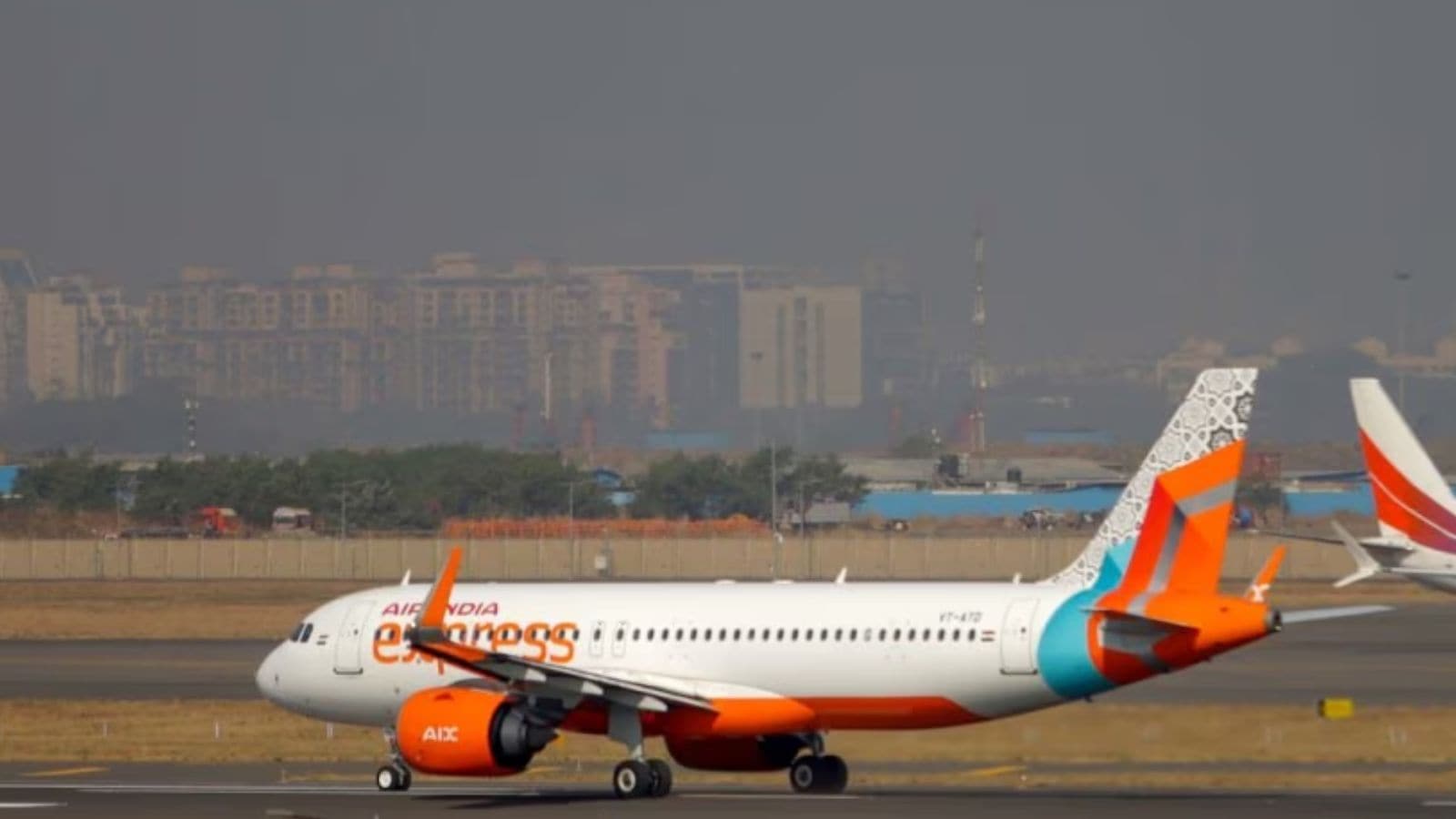


To insulate Indian flyers, jet fuel price for domestic flights kept unchanged; hiked for overseas flights
While the OMCs’ decision to not change ATF prices for domestic flights comes as a relief for Indian carriers, the significant price differential between prices for domestic and international flights persists.
Public sector oil marketing companies (OMCs) have kept the price of aviation turbine fuel (ATF), or jet fuel, unchanged for scheduled domestic flights by airlines, while hiking the price for international flights and other non-scheduled operations. According to the country’s largest OMC Indian Oil Corporation (IOC), the move is part of the fuel retailers’ effort to insulate domestic consumers from the surge in international oil and fuel prices due to the West Asia war. OMCs usually revise prices of ATF and some other fuels on the first of every month in line with international prices.
On April 1, the government had announced that the OMCs were hiking the ATF price for scheduled domestic flights only partially—by 25% or Rs 15,000 per kilolitre (kl)—to Rs 1,04,927 per kl, at the country’s largest and busiest airport Delhi. However, the full pass-through was announced for international flights, which translated to a steep hike of about Rs 73,000 per kl. According to sources, the price of ATF for international flights has now been hiked by $76.55 per kl to $1,511.86 per kl from May 1, translating to a little over Rs 7 per litre.
Major Indian airlines had urged the government for changes in the ATF pricing formula by reintroducing “crack spread bands” to limit how much OMC’s can charge as margin on jet fuel, and to bring parity between prices for domestic and international flight operations. While the OMCs’ decision to not change ATF prices for domestic flights comes as a relief for Indian carriers, the significant price differential between prices for domestic and international flights persists. Usually, ATF accounts for about 40% of Indian airlines’ operational costs; the price surge has led to a further increase to 55-60%, according to an Indian airline association.
IOC said that apart from ATF prices for domestic flights, it has also not touched prices of regular petrol and diesel for the general public, domestic LPG cylinders for use by households, and kerosene sold through the public distribution system. The May price revisions have been limited to select segments—ATF for international and non-scheduled operations, bulk and commercial LPG, and bulk diesel. According to sources, commercial LPG price has been hiked by a steep Rs 993 per 19-kg cylinder; it now costs Rs 3,071.50 in Delhi. Commercial LPG accounts for less than 1% of the country’s total LPG consumption, and most of the remaining consumption serves demand from households.
“Overall, approximately 80% of petroleum products have witnessed no change in prices, ensuring stability for the majority of consumers. Price revisions have been limited to select industrial segments, which constitute a relatively small share of overall consumption and are subject to routine monthly adjustments based on prevailing international prices,” IOC said.
“The above measures reflect the calibrated and balanced approach adopted by OMCs, under the guidance of the Ministry of Petroleum and Natural Gas, to align with global market trends while protecting domestic consumers and ensuring economic stability,” it said.
In a letter to the Ministry of Civil Aviation (MoCA) earlier this week, the Federation of Indian Airlines (FIA)—which includes IndiGo, Air India, and SpiceJet—wrote that the current “ad hoc” pricing mechanism for ATF is “creating severe imbalance in domestic and international operations and rendering airline networks unviable and unsustainable”.
“While the Government of India stepped in last month to prevent the collapse of the Aviation Sector by limiting the increase of ATF to Rs 15 per litre for domestic operations. However, the ATF pricing for international operations was increased by Rs 73 per litre, making…international operations along with domestic operations completely unviable and resulting in significant losses for the aviation sector in April 2026,” the FIA wrote.
“In order to ensure uninterrupted operation of airlines within India, FIA earnestly requests the Ministry’s urgent intervention to review the ATF cost challenges in consultation with the relevant Ministries and stakeholders and also respectfully request the Government to extend the same fuel pricing mechanism uniformly across both domestic and international operations as was done in the past with the establishment of Crack (margin) Band. Applying the same framework consistently will ensure parity, reduce the financial burden and enable Indian airlines to compete more effectively with global counterparts,” the industry association wrote.
ATF prices in India are linked to the Mean of Platts Arab Gulf (MOPAG), a price assessment by S&P Global based on jet fuel prices in West Asia. In 2022, a “crack band” of $12-22 per barrel was established to cap OMCs’ margins during abnormal price fluctuations. The crack spread is the difference between the price of crude oil and products like ATF derived from it. But this crack band was discontinued in late 2024 mutually by airlines and OMCs. With the global ATF price surge, the airlines wanted the band to be reintroduced.
It is not clear yet whether a margin band has been put in place, but the decision to not hike ATF prices for domestic flights brings at least partial relief to carriers, even as significantly higher prices of jet fuel for international flights continue to be a major headache for them as well as passengers. The hike in jet fuel prices resulted in most major airlines increasing fuel surcharges, particularly for international flights, even as they claimed that the surcharges would set off only a part of the cost escalation.
It remains to be seen whether the government will support the OMCs in covering their under-recoveries on jet fuel sales to domestic airlines. The fuel retailers are also bearing losses on retail sales of petrol and diesel, as well as domestic LPG cylinder sales, as the prices of these fuels have remained unchanged despite the surge in international prices of crude oil and petroleum products. To cushion the OMCs, the government reduced excise duty on petrol and diesel by Rs 10 per litre each in late March.
Public sector oil marketing companies (OMCs) have kept the price of aviation turbine fuel (ATF), or jet fuel, unchanged for scheduled domestic flights by airlines, while hiking the price for international flights and other non-scheduled operations. According to the country’s largest OMC Indian Oil Corporation (IOC), the move is part of the fuel retailers’ effort to insulate domestic consumers from the surge in international oil and fuel prices due to the West Asia war. OMCs usually revise prices of ATF and some other fuels on the first of every month in line with international prices.
On April 1, the government had announced that the OMCs were hiking the ATF price for scheduled domestic flights only partially—by 25% or Rs 15,000 per kilolitre (kl)—to Rs 1,04,927 per kl, at the country’s largest and busiest airport Delhi. However, the full pass-through was announced for international flights, which translated to a steep hike of about Rs 73,000 per kl. According to sources, the price of ATF for international flights has now been hiked by $76.55 per kl to $1,511.86 per kl from May 1, translating to a little over Rs 7 per litre.
Major Indian airlines had urged the government for changes in the ATF pricing formula by reintroducing “crack spread bands” to limit how much OMC’s can charge as margin on jet fuel, and to bring parity between prices for domestic and international flight operations. While the OMCs’ decision to not change ATF prices for domestic flights comes as a relief for Indian carriers, the significant price differential between prices for domestic and international flights persists. Usually, ATF accounts for about 40% of Indian airlines’ operational costs; the price surge has led to a further increase to 55-60%, according to an Indian airline association.
IOC said that apart from ATF prices for domestic flights, it has also not touched prices of regular petrol and diesel for the general public, domestic LPG cylinders for use by households, and kerosene sold through the public distribution system. The May price revisions have been limited to select segments—ATF for international and non-scheduled operations, bulk and commercial LPG, and bulk diesel. According to sources, commercial LPG price has been hiked by a steep Rs 993 per 19-kg cylinder; it now costs Rs 3,071.50 in Delhi. Commercial LPG accounts for less than 1% of the country’s total LPG consumption, and most of the remaining consumption serves demand from households.
“Overall, approximately 80% of petroleum products have witnessed no change in prices, ensuring stability for the majority of consumers. Price revisions have been limited to select industrial segments, which constitute a relatively small share of overall consumption and are subject to routine monthly adjustments based on prevailing international prices,” IOC said.
“The above measures reflect the calibrated and balanced approach adopted by OMCs, under the guidance of the Ministry of Petroleum and Natural Gas, to align with global market trends while protecting domestic consumers and ensuring economic stability,” it said.
In a letter to the Ministry of Civil Aviation (MoCA) earlier this week, the Federation of Indian Airlines (FIA)—which includes IndiGo, Air India, and SpiceJet—wrote that the current “ad hoc” pricing mechanism for ATF is “creating severe imbalance in domestic and international operations and rendering airline networks unviable and unsustainable”.
“While the Government of India stepped in last month to prevent the collapse of the Aviation Sector by limiting the increase of ATF to Rs 15 per litre for domestic operations. However, the ATF pricing for international operations was increased by Rs 73 per litre, making…international operations along with domestic operations completely unviable and resulting in significant losses for the aviation sector in April 2026,” the FIA wrote.
“In order to ensure uninterrupted operation of airlines within India, FIA earnestly requests the Ministry’s urgent intervention to review the ATF cost challenges in consultation with the relevant Ministries and stakeholders and also respectfully request the Government to extend the same fuel pricing mechanism uniformly across both domestic and international operations as was done in the past with the establishment of Crack (margin) Band. Applying the same framework consistently will ensure parity, reduce the financial burden and enable Indian airlines to compete more effectively with global counterparts,” the industry association wrote.
ATF prices in India are linked to the Mean of Platts Arab Gulf (MOPAG), a price assessment by S&P Global based on jet fuel prices in West Asia. In 2022, a “crack band” of $12-22 per barrel was established to cap OMCs’ margins during abnormal price fluctuations. The crack spread is the difference between the price of crude oil and products like ATF derived from it. But this crack band was discontinued in late 2024 mutually by airlines and OMCs. With the global ATF price surge, the airlines wanted the band to be reintroduced.
It is not clear yet whether a margin band has been put in place, but the decision to not hike ATF prices for domestic flights brings at least partial relief to carriers, even as significantly higher prices of jet fuel for international flights continue to be a major headache for them as well as passengers. The hike in jet fuel prices resulted in most major airlines increasing fuel surcharges, particularly for international flights, even as they claimed that the surcharges would set off only a part of the cost escalation.
It remains to be seen whether the government will support the OMCs in covering their under-recoveries on jet fuel sales to domestic airlines. The fuel retailers are also bearing losses on retail sales of petrol and diesel, as well as domestic LPG cylinder sales, as the prices of these fuels have remained unchanged despite the surge in international prices of crude oil and petroleum products. To cushion the OMCs, the government reduced excise duty on petrol and diesel by Rs 10 per litre each in late March.