

India summons Meta’s global executives after PM Modi’s video briefly blocked
The video was uploaded by Modi on Thursday night, at the height of the then-ongoing students’ protest
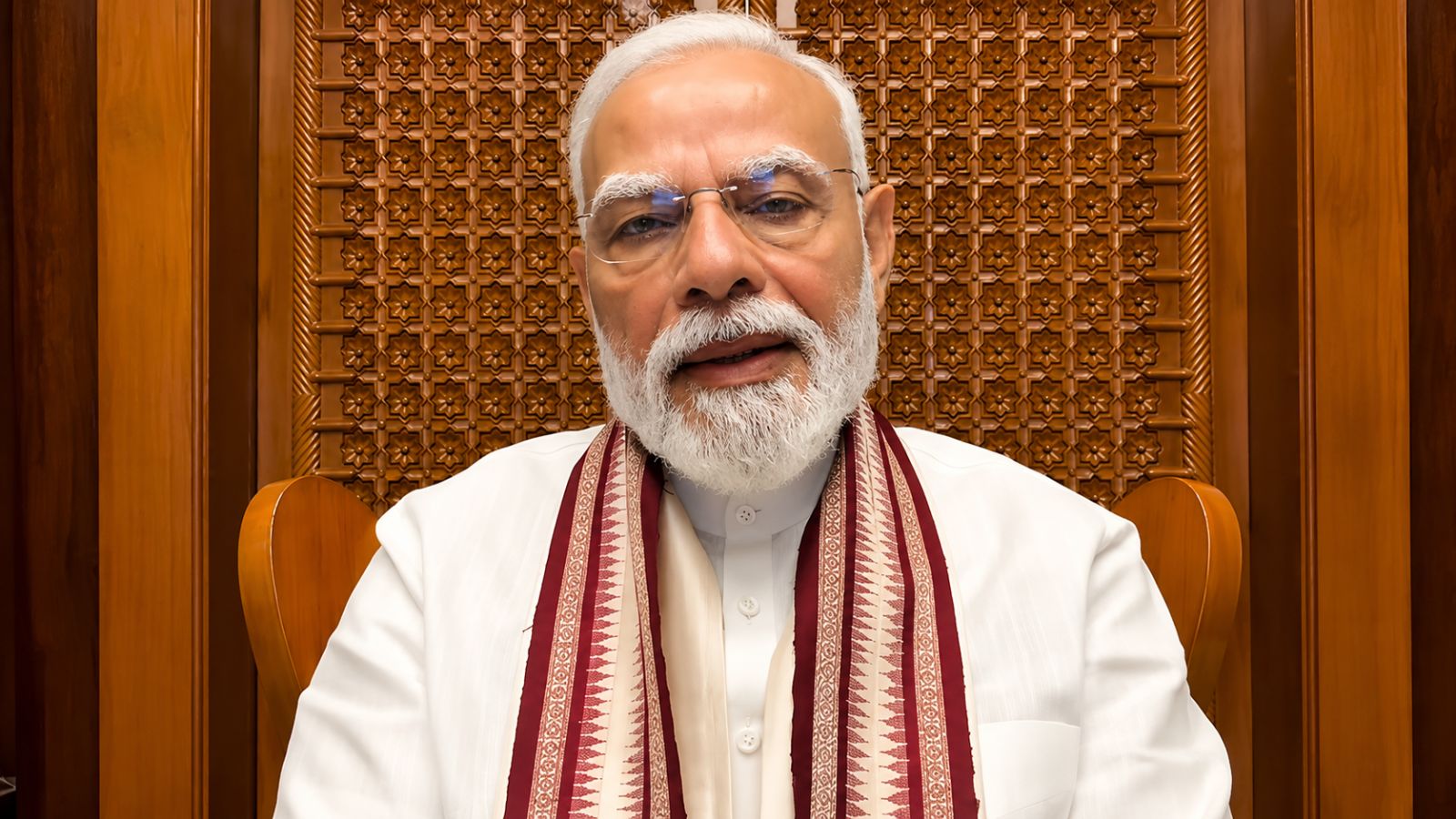
The Ministry of Electronics and IT (MeitY) has summoned Meta’s global policy heads after a video posted by Prime Minister Narendra Modi was briefly withheld by Facebook in India, sources said. The ministry intends to also discuss Meta’s compliance with India’s technology-focused laws, and deepfakes on its various social media platforms.
The summons are understood to have been sent, via email, to Meta’s global affairs president, Joel Kaplan, and Instagram’s chief, Adam Mosseri.
“We have been having various meetings with Meta’s India-based policy executives to convey our issues over the company’s non-compliance with the Information Technology Rules, and the prevalence of deepfakes on platforms like Instagram and Facebook. But we don’t think our message was being conveyed properly to their main teams in the US, so we decided to reach out to them directly. Of course, we will also seek an explanation as to how the PM’s video was blocked,” a senior government official said.
The video in question was uploaded by Modi Thursday night, at the height of the then ongoing students’ protest, in which he said that the Union Cabinet would work on a tough new law for stricter penalties for those involved in paper leaks.
A Meta spokesperson said that the video was removed in error and has since been restored. Queries sent to the IT Ministry remained unanswered until publication.
In the video, Modi said, “Friends, I am well aware that the issue of paper leaks is not a small matter. It causes immense distress to lakhs of students and their parents. Consequently, numerous measures have been taken over the past two-and-a-half months following these incidents, and the culprits have been apprehended and are currently in jail.”
“Working tirelessly, late into the night, the departments have already submitted a draft proposal to me. This draft, which includes provisions for fast-track courts and stricter penalties, will be discussed in the Cabinet tomorrow. It will be finalised after incorporating suggestions from Cabinet colleagues, and efforts will be made to pass the Bill in the House as soon as possible, starting with the second week of the Parliament’s session this coming Monday,” he added.
This particular video, shot in a vertical frame, was largely seen by many as an effort by the Prime Minister to communicate with young people on social media platforms like Instagram, where short videos, primarily in a vertical layout, are extremely popular.
To be sure, after the students’ protest ended last week, following the resignation of Dharmendra Pradhan as education minister, a number of content from the stir that the government found objectionable, including videos that contained slangs being used for senior leaders in the Indian administration, but also several videos documenting violence that took place during the protests, were ordered to be censored from popular social media platforms.
Meta, which owns popular social media platforms like Instagram, WhatsApp, and Facebook, has been in the crosshairs of the Indian government for various issues in the last few weeks.
That a significant amount of commentary and documentation surrounding the recent students’ protest happened primarily on Instagram is now well documented. Before that, Instagram had drawn the government’s ire over promotional material on child sexual abuse material on the platform, and WhatsApp was facing scrutiny over its usernames feature.
Earlier this month, the government had asked Meta-owned WhatsApp to not roll out its upcoming username feature over concerns of impersonation and fraud. In a notice issued to the company, the IT Ministry gave WhatsApp three days to furnish a detailed explanation on the username feature.
In its notice, the government is understood to have told WhatsApp that the feature may materially increase the incidence of online fraud, phishing, digital arrest scams and impersonation attacks, by enabling bad actors to solicit and message unsuspecting users. The government has also flagged that the feature may facilitate impersonation of individuals, public authorities, financial institutions and government agencies, by permitting the adoption of usernames closely resembling those of genuine people and institutions.
The Ministry of Electronics and IT (MeitY) has summoned Meta’s global policy heads after a video posted by Prime Minister Narendra Modi was briefly withheld by Facebook in India, sources said. The ministry intends to also discuss Meta’s compliance with India’s technology-focused laws, and deepfakes on its various social media platforms.
The summons are understood to have been sent, via email, to Meta’s global affairs president, Joel Kaplan, and Instagram’s chief, Adam Mosseri.
“We have been having various meetings with Meta’s India-based policy executives to convey our issues over the company’s non-compliance with the Information Technology Rules, and the prevalence of deepfakes on platforms like Instagram and Facebook. But we don’t think our message was being conveyed properly to their main teams in the US, so we decided to reach out to them directly. Of course, we will also seek an explanation as to how the PM’s video was blocked,” a senior government official said.
The video in question was uploaded by Modi Thursday night, at the height of the then ongoing students’ protest, in which he said that the Union Cabinet would work on a tough new law for stricter penalties for those involved in paper leaks.
A Meta spokesperson said that the video was removed in error and has since been restored. Queries sent to the IT Ministry remained unanswered until publication.
In the video, Modi said, “Friends, I am well aware that the issue of paper leaks is not a small matter. It causes immense distress to lakhs of students and their parents. Consequently, numerous measures have been taken over the past two-and-a-half months following these incidents, and the culprits have been apprehended and are currently in jail.”
“Working tirelessly, late into the night, the departments have already submitted a draft proposal to me. This draft, which includes provisions for fast-track courts and stricter penalties, will be discussed in the Cabinet tomorrow. It will be finalised after incorporating suggestions from Cabinet colleagues, and efforts will be made to pass the Bill in the House as soon as possible, starting with the second week of the Parliament’s session this coming Monday,” he added.
This particular video, shot in a vertical frame, was largely seen by many as an effort by the Prime Minister to communicate with young people on social media platforms like Instagram, where short videos, primarily in a vertical layout, are extremely popular.
To be sure, after the students’ protest ended last week, following the resignation of Dharmendra Pradhan as education minister, a number of content from the stir that the government found objectionable, including videos that contained slangs being used for senior leaders in the Indian administration, but also several videos documenting violence that took place during the protests, were ordered to be censored from popular social media platforms.
Meta, which owns popular social media platforms like Instagram, WhatsApp, and Facebook, has been in the crosshairs of the Indian government for various issues in the last few weeks.
That a significant amount of commentary and documentation surrounding the recent students’ protest happened primarily on Instagram is now well documented. Before that, Instagram had drawn the government’s ire over promotional material on child sexual abuse material on the platform, and WhatsApp was facing scrutiny over its usernames feature.
Earlier this month, the government had asked Meta-owned WhatsApp to not roll out its upcoming username feature over concerns of impersonation and fraud. In a notice issued to the company, the IT Ministry gave WhatsApp three days to furnish a detailed explanation on the username feature.
In its notice, the government is understood to have told WhatsApp that the feature may materially increase the incidence of online fraud, phishing, digital arrest scams and impersonation attacks, by enabling bad actors to solicit and message unsuspecting users. The government has also flagged that the feature may facilitate impersonation of individuals, public authorities, financial institutions and government agencies, by permitting the adoption of usernames closely resembling those of genuine people and institutions.