

Gautam Adani unveils plan for 10 GW nuclear energy capacity by 2035
If realized, the 10 GW target would represent one of the largest private-sector commitments to nuclear energy in India.
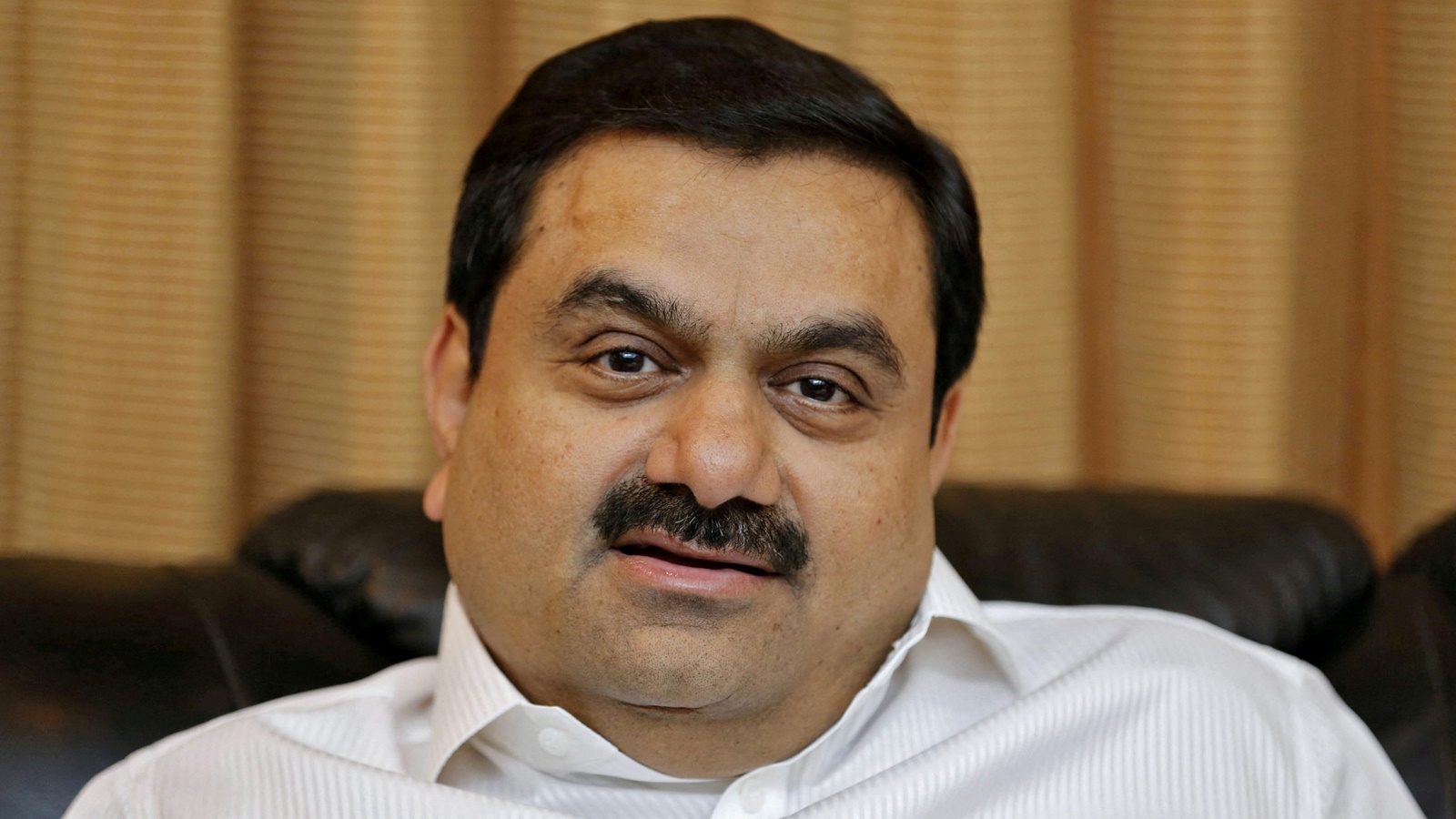
The Adani Group plans to develop 10 gigawatts (GW) of nuclear power generation capacity over the next nine years, Chairman Gautam Adani said on Wednesday.
If realized, the 10 GW target would represent one of the largest private-sector commitments to nuclear energy in India. “With land identified and a 10 GW targeted capacity by 2035, we are positioning ourselves early to serve the growing national demand for clean, round-the-clock power,” Adani said at the annual general meeting of the group.
The new law — Sustainable Harnessing and Advancement of Nuclear Energy for Transforming India Bill (SHANTI Bill) – passed by the Parliament in December 2025 is expected to unlock private sector participation across a wide spectrum of nuclear activities including nuclear power generation, reactor supply and operation, nuclear fuel mining and R&D across the nuclear fuel cycle.
At Adani Power, the group is implementing India’s largest ever private sector power capex programme of over Rs 2 lakh crore, with a target of reaching 45 GW of capacity over the next five years, he said.
“We are also honoured to be partnering with the Govt of Bhutan’s Druk Green Power Corporation. As part of this partnership, the Adani Group and the DGPC will jointly develop 5,000 megawatts of hydropower projects in Bhutan,” Adani said.
On the aviation sector, he said partnerships with Leonardo and Embraer are helping lay the foundation for integrated helicopter and regional aircraft manufacturing ecosystems in India. “We are building a national aerospace platform that spans manufacturing, MRO, services and pilot training,” he said.
“During Operation Sindoor, our drones, anti-drone systems, missiles and ammunitions supported our Armed Forces when it mattered the most.”
He said the group is putting in place a three-layer structure across both its headquarters and sites to reduce bureaucracy, sharpen accountability and bring decisions closer to execution. “Every role, every process and every layer must add value. Non-core activities will move either to our GCCs or to nominated partners,” he said.
In FY 25-26, the group made a record capital investment of more than Rs 1.5 lakh crore in hard infrastructure. To put that in perspective, this represented over 30% of India’s total new private-sector capital expenditure for the year, he said.
Vizhinjam in Kerala, one of the most strategic ports on the global maritime route, delivered a record first year by crossing 1 million TEUs. This is the fastest pace ever achieved by any Indian port and a strong signal of India’s arrival on the global transshipment map, Adani said.
In digital and industrial infrastructure, the group’s Data Centre business is firmly on the path to building a 3 GW platform by 2030, he said. “The binding MoU for a gigawatt-scale data centre with Google in Visakhapatnam reflects both the scale of the digital demand ahead, and the confidence that global technology leaders such as Google, Microsoft, Uber and Flipkart are placing on us,” he said.
The Adani Group plans to develop 10 gigawatts (GW) of nuclear power generation capacity over the next nine years, Chairman Gautam Adani said on Wednesday.
If realized, the 10 GW target would represent one of the largest private-sector commitments to nuclear energy in India. “With land identified and a 10 GW targeted capacity by 2035, we are positioning ourselves early to serve the growing national demand for clean, round-the-clock power,” Adani said at the annual general meeting of the group.
The new law — Sustainable Harnessing and Advancement of Nuclear Energy for Transforming India Bill (SHANTI Bill) – passed by the Parliament in December 2025 is expected to unlock private sector participation across a wide spectrum of nuclear activities including nuclear power generation, reactor supply and operation, nuclear fuel mining and R&D across the nuclear fuel cycle.
At Adani Power, the group is implementing India’s largest ever private sector power capex programme of over Rs 2 lakh crore, with a target of reaching 45 GW of capacity over the next five years, he said.
“We are also honoured to be partnering with the Govt of Bhutan’s Druk Green Power Corporation. As part of this partnership, the Adani Group and the DGPC will jointly develop 5,000 megawatts of hydropower projects in Bhutan,” Adani said.
On the aviation sector, he said partnerships with Leonardo and Embraer are helping lay the foundation for integrated helicopter and regional aircraft manufacturing ecosystems in India. “We are building a national aerospace platform that spans manufacturing, MRO, services and pilot training,” he said.
“During Operation Sindoor, our drones, anti-drone systems, missiles and ammunitions supported our Armed Forces when it mattered the most.”
He said the group is putting in place a three-layer structure across both its headquarters and sites to reduce bureaucracy, sharpen accountability and bring decisions closer to execution. “Every role, every process and every layer must add value. Non-core activities will move either to our GCCs or to nominated partners,” he said.
In FY 25-26, the group made a record capital investment of more than Rs 1.5 lakh crore in hard infrastructure. To put that in perspective, this represented over 30% of India’s total new private-sector capital expenditure for the year, he said.
Vizhinjam in Kerala, one of the most strategic ports on the global maritime route, delivered a record first year by crossing 1 million TEUs. This is the fastest pace ever achieved by any Indian port and a strong signal of India’s arrival on the global transshipment map, Adani said.
In digital and industrial infrastructure, the group’s Data Centre business is firmly on the path to building a 3 GW platform by 2030, he said. “The binding MoU for a gigawatt-scale data centre with Google in Visakhapatnam reflects both the scale of the digital demand ahead, and the confidence that global technology leaders such as Google, Microsoft, Uber and Flipkart are placing on us,” he said.