

Capital markets must ‘serve’ the real economy, not ‘rule it’: CEA Nageswaran
CEA said technological advancements could derail the markets from their primary purpose of financialising household savings to build the economy over the long term
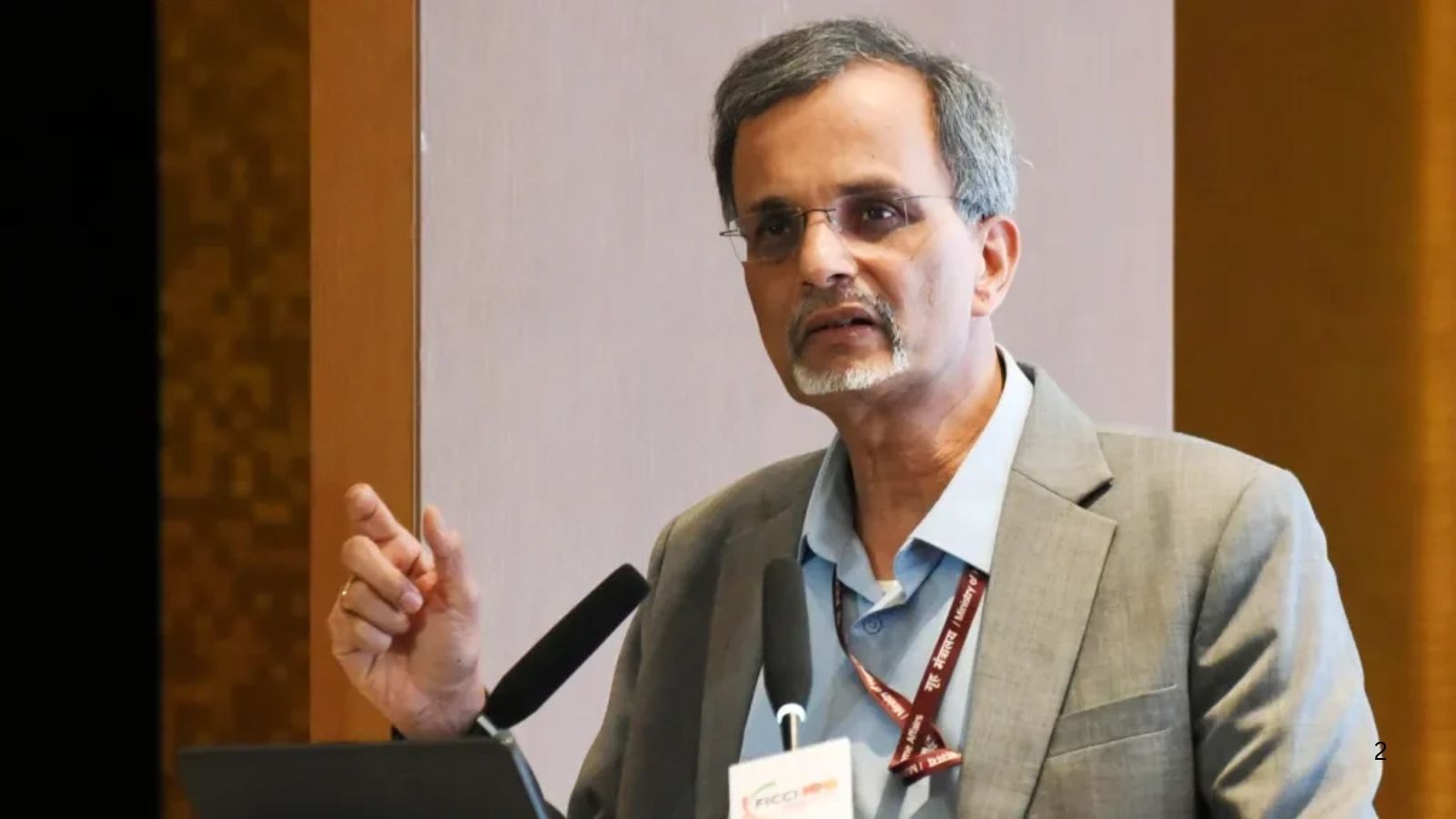
Chief Economic Advisor (CEA) V Anantha Nageswaran on Friday said that India’s capital markets must “serve” the real economy, not “rule it,” and that technological advancements could derail the markets from their primary purpose of financialising household savings to build the economy over the long term.
“Will finance once again serve the real economy or will it continue to rule the real economy, the answer will decide not only the stability of our markets but also the strength of our economy and the sustainability of our economic growth,” Nageswaran said at the Confederation of Indian Industry’s (CII) Financing Summit in Mumbai.
He added that “too much finance too early in the development cycle” may hinder the country’s ambitious growth aspirations.
Nageswaran further pointed out the four primary jobs of the capital markets — discovering prices, allocating capital, transferring risk, and exercising stewardship over the companies it owns.
“We have just seen what has happened to the transfer of risk. My own answer, unfortunately, is that on balance, technology has taken markets further away from their core function. They have become faster and safer in their mechanics while drifting away from their purpose,” he said.
Technology and speculation
Nageswaran highlighted the potential downside of technological advancements using the example of the country’s advanced trading and settlement infrastructure.
“Applying for a public issue takes a few taps on a phone now. Failed trades and fraud by intermediaries are much rarer now than a generation earlier. Those who built all of this do deserve immense credit. Yet, a safer machine is not the same as a better outcome. More technology and more knowledge have not tamed greed, fear, envy, and the fear of missing out,” Nageswaran said.
“The form that makes it easy to invest also makes it easy to speculate at any hour of the day. Derivatives were invented to move risk from those who cannot bear it to those who can. In our market, a good deal of it has moved from those who understand it to those who do not understand it. SEBI’s own studies show that,” he added.
He was referring to a SEBI study from August which showed how nine in 10 individual traders incurred losses in the equity derivatives segment in FY26, and how a substantial section of these traders have modest annual incomes.
“SEBI has acted and participation has eased. But still, this is not a failure of information. It is a failure of human nature, but with faster tools now. Have the technological innovations of recent decades brought capital markets closer to their core function of turning savings into productive investment? Or have they taken markets further away from it?” pondered Nageswaran.
Long-term investment
Nageswaran added that the success of capital markets should be measured on its ability to mobilise funds for the longer run rather than capital turnover.
“First, we could change how we measure success. Markets are often judged by turnover. A better measure is how much capital they help raise for new investment over what horizon and at what cost,” he said.
On technology, he urged developers to focus on the “hard” problem. “Technology could be pointed at the hard problem rather than the easy one. Making trading faster is easier. Lowering the cost of capital for a small manufacturer or food processor, assessing its creditworthiness based on its cash flows and linking it to long-term investors is a harder one,” he said.
“On the investor side, we have widened access to markets far faster than we have helped households build judgments in them. Where is the technology that helps an Indian household hold a bond for 20 years?,” he added.
Chief Economic Advisor (CEA) V Anantha Nageswaran on Friday said that India’s capital markets must “serve” the real economy, not “rule it,” and that technological advancements could derail the markets from their primary purpose of financialising household savings to build the economy over the long term.
“Will finance once again serve the real economy or will it continue to rule the real economy, the answer will decide not only the stability of our markets but also the strength of our economy and the sustainability of our economic growth,” Nageswaran said at the Confederation of Indian Industry’s (CII) Financing Summit in Mumbai.
He added that “too much finance too early in the development cycle” may hinder the country’s ambitious growth aspirations.
Nageswaran further pointed out the four primary jobs of the capital markets — discovering prices, allocating capital, transferring risk, and exercising stewardship over the companies it owns.
“We have just seen what has happened to the transfer of risk. My own answer, unfortunately, is that on balance, technology has taken markets further away from their core function. They have become faster and safer in their mechanics while drifting away from their purpose,” he said.
Technology and speculation
Nageswaran highlighted the potential downside of technological advancements using the example of the country’s advanced trading and settlement infrastructure.
“Applying for a public issue takes a few taps on a phone now. Failed trades and fraud by intermediaries are much rarer now than a generation earlier. Those who built all of this do deserve immense credit. Yet, a safer machine is not the same as a better outcome. More technology and more knowledge have not tamed greed, fear, envy, and the fear of missing out,” Nageswaran said.
“The form that makes it easy to invest also makes it easy to speculate at any hour of the day. Derivatives were invented to move risk from those who cannot bear it to those who can. In our market, a good deal of it has moved from those who understand it to those who do not understand it. SEBI’s own studies show that,” he added.
He was referring to a SEBI study from August which showed how nine in 10 individual traders incurred losses in the equity derivatives segment in FY26, and how a substantial section of these traders have modest annual incomes.
“SEBI has acted and participation has eased. But still, this is not a failure of information. It is a failure of human nature, but with faster tools now. Have the technological innovations of recent decades brought capital markets closer to their core function of turning savings into productive investment? Or have they taken markets further away from it?” pondered Nageswaran.
Long-term investment
Nageswaran added that the success of capital markets should be measured on its ability to mobilise funds for the longer run rather than capital turnover.
“First, we could change how we measure success. Markets are often judged by turnover. A better measure is how much capital they help raise for new investment over what horizon and at what cost,” he said.
On technology, he urged developers to focus on the “hard” problem. “Technology could be pointed at the hard problem rather than the easy one. Making trading faster is easier. Lowering the cost of capital for a small manufacturer or food processor, assessing its creditworthiness based on its cash flows and linking it to long-term investors is a harder one,” he said.
“On the investor side, we have widened access to markets far faster than we have helped households build judgments in them. Where is the technology that helps an Indian household hold a bond for 20 years?,” he added.